Clear Aligners: Tips for Beginners
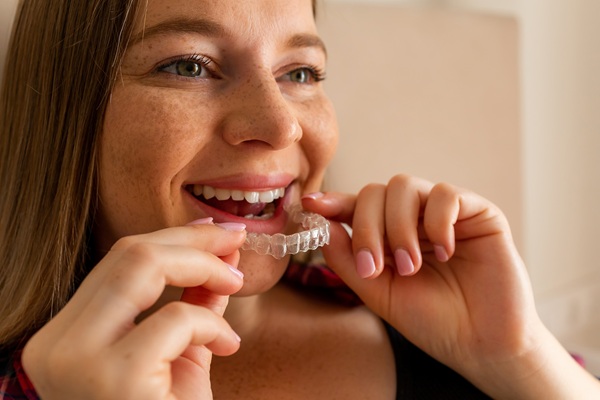
Clear aligners provide a discreet, removable way to straighten teeth, but early habits often determine how smoothly treatment progresses. The first few weeks typically involve learning to wear the aligners consistently, adapting to new routines, and keeping them clean. With the right plan, most beginners settle into aligner life quickly and see steady improvements. These practical tips help protect results and prevent common setbacks during the start of treatment.
Start with clear aligner wear time and consistency
Clear aligners only work when they stay in place long enough to apply a gentle, continuous force. Most orthodontic and dental providers recommend wearing aligners about 20 to 22 hours per day, removing them only for meals and beverages other than water. Skipping hours can slow tracking and increase discomfort during reinsertion of the trays. A simple routine helps, such as putting aligners back in immediately after each meal and oral hygiene session. Consistency in the first month often sets the pace for the entire process.
Expect mild pressure, not severe pain
Pressure and tenderness are common with a new set of clear aligners, especially during the first two days, signaling that they are working. However, patients should not ignore severe pain, sharp edges that cut tissue, or persistent headaches, and contact the orthodontist immediately. A quick adjustment or a bit of smoothing can improve comfort, but switching to a new tray at night can also help. In some cases, the orthodontist may recommend an over-the-counter (OTC) pain reliever to help patients get through their adjustment period a bit more easily.
Keep aligners clean and odor-free
Clear aligners can become cloudy and smell when plaque and food debris accumulate, affecting aesthetics and oral health. Daily cleaning should include gentle brushing of the trays with a soft toothbrush and cool or lukewarm (not hot) water. Many orthodontists recommend soaking aligners in an aligner-safe cleaning solution, especially for patients who drink coffee frequently or build tartar quickly. If a non-water beverage happens occasionally, rinsing the mouth and the aligners before reinsertion helps reduce acid exposure, while brushing the teeth immediately after meals protects both the teeth and the clarity of the trays.
Take attachments and elastics seriously
Some clear aligner plans use attachments to help the trays grip and guide teeth precisely. Attachments can feel bulky at first, but they usually become less noticeable as cheeks adapt. The orthodontist may also prescribe elastics for bite correction. Be aware that consistent elastic wear can be the difference between a good result and a prolonged treatment course. If attachments pop off, being prompt to replace them helps avoid delays.
A strong first month leads to stronger results
Clear aligners reward consistent wear, strong hygiene, and simple daily routines. Beginners who follow the above instructions often see the best progress. With consistent use, clear aligners can provide a comfortable, confident path to straighter teeth. For more information or to schedule an appointment, call our office.
To schedule a consultation, please request an appointment on our website at https://www.embrace-ortho.com or call Embrace Orthodontics at (213) 375-1221 to arrange an appointment at our Los Angeles office.
Check out what others are saying about our dental services on Yelp: Clear Aligners in Los Angeles, CA.
Related Posts
For many patients, Invisalign® treatment is a good alternative to traditional braces. Treatment time is often shorter, and patients can maintain better oral hygiene during the process. This type of orthodontic treatment uses a series of clear aligners to straighten teeth. The patient wears the trays for 20-22 hours a day, only removing them for…
There are so many differences between traditional braces and Invisalign® aligners. You may be wondering which option is right for your alignment needs and if you will have to change your lifestyle. Many people choose to go through the Invisalign process because the trays are less conspicuous than traditional braces. Traditional braces can be very…
You probably already know that Invisalign® trays look very different than traditional braces, but you may not know how ideal Invisalign is for many teens. Older teens are often very active in sports or might worry about how others think about teeth-straightening devices. The clear trays of Invisalign are less conspicuous than traditional braces. You…
Pediatric orthodontics is a specialized branch of pediatric dental care focused on the growth, development, and alignment of children's teeth and jaws. Pediatric orthodontics addresses dental irregularities when they first appear, promoting healthier oral structures and preventing more complex problems in adolescence and adulthood. Understanding the basics of pediatric orthodontics helps parents make informed decisions…